

Introduction
Choosing the right SaaS platform is a critical decision that directly impacts your business efficiency, scalability, and long-term growth. With hundreds of SaaS tools available in 2026, businesses often feel overwhelmed and end up selecting tools that do not align with their actual needs.
The wrong choice can lead to wasted money, poor integration, and operational inefficiencies. On the other hand, the right SaaS platform can automate processes, improve productivity, and accelerate growth.
This guide will walk you through a practical step-by-step approach to choosing the right SaaS platform for your business.
Understand Your Business Needs First
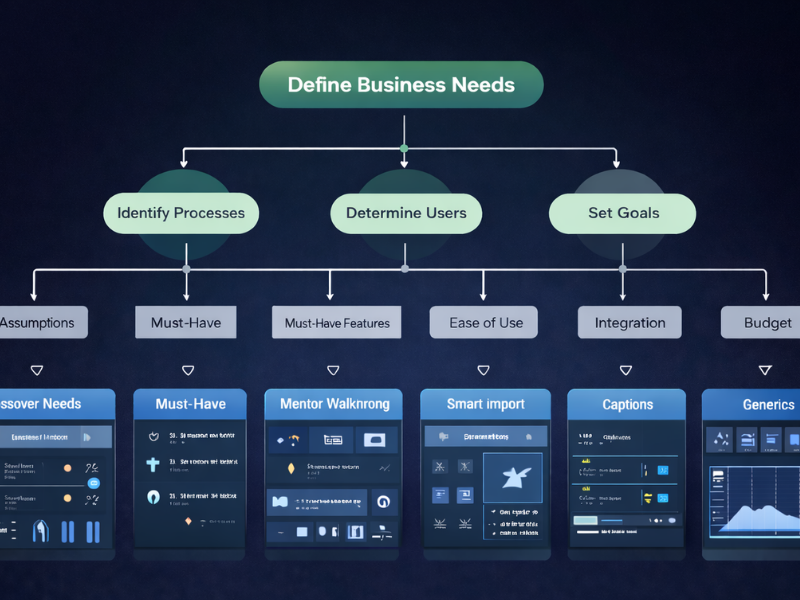
Before comparing tools, you need to clearly define what your business actually needs.
Many businesses make the mistake of choosing software based on popularity rather than necessity.
Ask These Questions
• What problem are you trying to solve
• Which processes need automation
• Who will use the software
• What features are essential
When your requirements are clear, it becomes much easier to filter out unnecessary tools.
Identify Must-Have Features
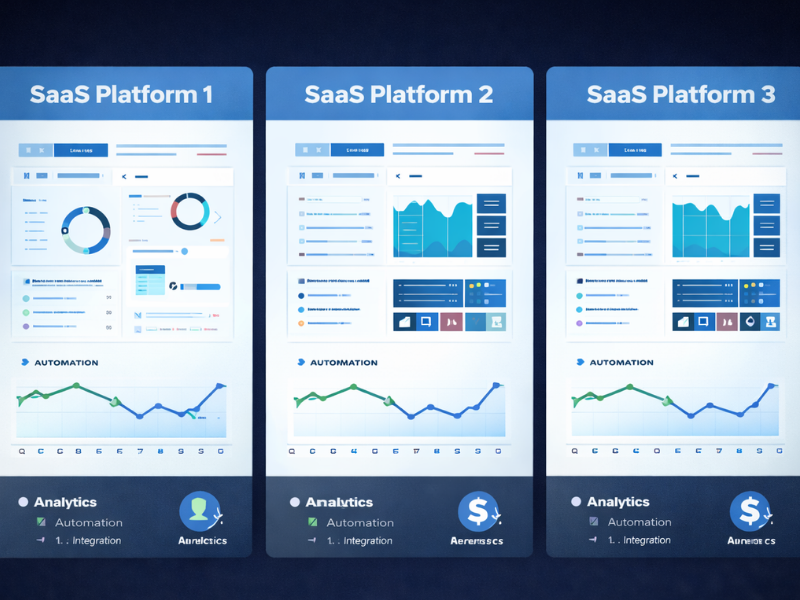
Every SaaS platform comes with a wide range of features, but not all of them are relevant to your business.
Focus on essential functionality instead of being distracted by advanced features.
Key Feature Categories
• Core functionality (your main requirement)
• User interface and ease of use
• Automation capabilities
• Reporting and analytics
• Integration support
Choosing a tool with the right features ensures long-term usability.
Evaluate Ease of Use and User Experience
A powerful tool is useless if your team cannot use it efficiently.
User experience plays a major role in adoption and productivity.
What to Check
• Clean and simple interface
• Easy navigation
• Minimal learning curve
• Availability of tutorials or onboarding
A user-friendly platform reduces training time and improves efficiency.
Check Integration Capabilities

Your SaaS platform should work smoothly with your existing tools.
Lack of integration can create data silos and slow down workflows.
Important Integrations
• CRM systems
• Payment gateways
• Email marketing tools
• Analytics platforms
Seamless integration helps you build a connected and efficient system.
Analyze Pricing and Total Cost
Pricing is one of the most important factors when choosing a SaaS platform.
However, businesses often focus only on monthly cost and ignore long-term expenses.
Consider the Following
• Monthly or yearly subscription
• Cost per user
• Hidden fees
• Upgrade costs
• Scalability pricing
Always evaluate the total cost based on your future growth.
Test Scalability and Flexibility

Your business will grow, and your software should grow with it.
Choosing a platform that cannot scale will force you to switch tools later.
What to Look For
• Ability to add more users
• Advanced features for growth
• Customization options
• Performance under increased usage
Scalable SaaS platforms save time and future migration costs.
Check Security and Data Protection
Security is a critical factor, especially when handling sensitive business or customer data.
Key Security Features
• Data encryption
• Secure authentication
• Regular backups
• Compliance with regulations
A secure platform protects your business from data breaches and risks.
Read Reviews and Real User Feedback
Before finalizing any SaaS platform, check what real users are saying.
Where to Check
• Review platforms
• Community forums
• Case studies
• Testimonials
User feedback often reveals issues that are not visible in marketing materials.
Take Advantage of Free Trials
Most SaaS platforms offer free trials or demo versions.
Use this opportunity to test the software in a real business environment.
During Trial, Check
• Performance
• Usability
• Feature relevance
• Support responsiveness
Testing helps you make a confident decision.
Compare Multiple Options Before Final Decision
Never choose a tool without comparing alternatives.
Shortlist 2–3 platforms and evaluate them side by side.
Comparison Criteria
• Features
• Pricing
• Ease of use
• Integration
• Support
This ensures you are selecting the best possible option.
Common Mistakes to Avoid
Many businesses make avoidable mistakes while choosing SaaS tools.
• Choosing based on trends instead of needs
• Ignoring scalability
• Overpaying for unused features
• Not checking integrations
• Skipping trial testing
Avoiding these mistakes will save time and money.
Verdict
Choosing the right SaaS platform is not about selecting the most popular tool, but about finding the one that fits your business needs.
Start by understanding your requirements, focus on essential features, and evaluate scalability and integration.
For most businesses, a simple and scalable SaaS solution works best in the beginning. As your business grows, you can upgrade or expand your tools.
Making the right choice now will ensure smoother operations and long-term success.
